A Memoir · Eight Years · 16 – 24 – 36 – 48 – 72
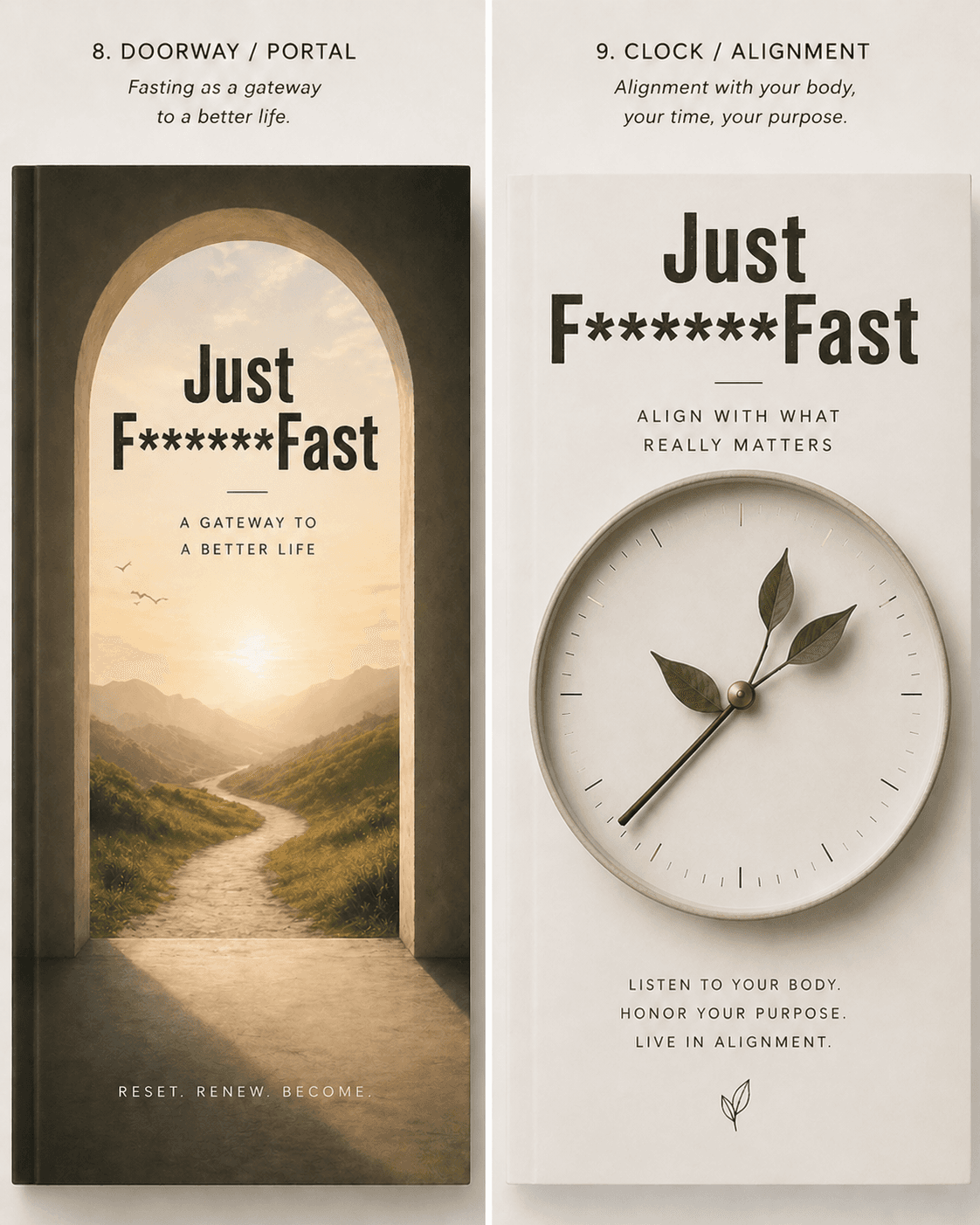
Just
F******
Fast.
This is an explanation and a thought process — eight years of intermittent fasting and how it became the focal point of a lifestyle. Fasting has impacted three areas of my well-being: mind, body, and spirit. It has done things for me that no medication, no diet, and no fitness plan ever has.
The path · in pictures


Mind
The real fight was never with food. It was with myself. The fork goes down once the mind stops negotiating with the craving — and the body, it turns out, will listen to the words you say out loud.
Body
Steady energy through a full lumber-yard shift. Small cuts closing faster. Skin clearing. When the body isn't digesting every few hours, it quietly redirects that fuel back toward repair.
Spirit
What I'd heard about fasting growing up in church was only the outline. What I found on the other side of the question — is this good for me? — was a discipline I could carry through a Tuesday.
Marginalia · §4
Your body, eating its own trash.
In 2016, Yoshinori Ohsumi won the Nobel Prize in Physiology for his work on autophagy — from the Greek, “self-eating.” Somewhere around the 16 to 24 hour mark of a fast, your cells begin to identify damaged, dysfunctional, and dead material and recycle it for fuel.
No pill does that. No supplement does that. No diet plan I had ever heard of does that. The answer was already inside me — I just had to get out of the way and let the body work.
“When the body is not focused on digesting hundreds of calories every few hours, it has the time and the energy to work on everything else going on inside you.”
— from the manuscript, p. 14
Contents
Draft · Volume I- 01Origins — A morning at Menardsthe wisdom teeth, the swelling, six weeks of soupp. 01
- 02The Rhythmfalling into one meal a day without meaning top. 17
- 03Autophagy — Ohsumi's quiet miraclewhy the body heals when you finally put the fork downp. 29
- 04Mind, Body, Spiritthree braided chapters on what changedp. 45
- 05The Lifestyleeight years in; what it took to stayp. 71
- 06The Imperfectionsthe breaks, the binges, the honest partsp. 93
“Peace gives you the ability to choose your reaction in any situation.”